If you have installed solar panels, you are contributing to a reduction in your energy costs and carbon emissions. However, enhancing your home’s energy efficiency can further optimize the benefits of your solar system and decrease dependence on the electrical grid. Implementing measures such as sealing air leaks, upgrading insulation, and utilizing smart technology can effectively reduce energy consumption and improve overall comfort levels within your home.
Improving energy efficiency not only leads to potential savings on utility bills but may also increase your property's market value. Studies indicate that energy-efficient homes often see higher resale prices, as buyers tend to prefer properties with lower energy costs and reduced environmental impact.
To begin improving your home's energy efficiency, consider conducting an energy audit to identify areas of improvement. This assessment can reveal both minor and major fixes that, when addressed, contribute to a more efficient home ecosystem. Enhancing a home’s energy efficiency through air sealing and insulation is a practical approach, especially when considered alongside the installation of solar panels. If you need Solar Panel Repair in Brooklyn, it's important to identify and repair air leaks, along with improving insulation, which can result in noticeable decreases in heating and cooling expenses, leading to reduced reliance on natural gas or other fossil fuels, as well as lower electricity bills. In New York, the Comfort Home program provides financial incentives starting at $2,500 to support homeowners in making these energy-efficient improvements. These incentives can facilitate the execution of projects designed to enhance a home's efficiency. Incorporating sufficient insulation during remodeling processes is important, as it can improve the overall effectiveness of solar systems while also addressing indoor air quality concerns. Moreover, these enhancements may be eligible for federal tax credits, which can further contribute to the financial advantages associated with energy-efficient renovations. To evaluate potential cost savings and environmental benefits related to these improvements, tools such as a Savings Calculator can offer valuable estimates. Upgrading windows and doors can improve a home's energy retention capabilities. While solar panels help reduce electricity costs, their efficiency is diminished if heat loss occurs through older windows and doors. Upgrading to energy-efficient windows and doors can reduce heat loss and limit air leaks, resulting in potential savings on heating and cooling expenses. In regions such as New York and elsewhere in the United States, homeowners may qualify for tax credits for such improvements, as noted by the Internal Revenue Service. Alongside window and door upgrades, measures such as installing storm windows, applying caulking, and selecting insulated models can further reduce energy costs, enhance indoor air quality, and decrease carbon emissions. The National Fenestration Rating Council (NFRC) provides ratings for products to aid consumers in choosing windows and doors that effectively balance solar gain and energy efficiency. Overall, investing in energy-efficient windows and doors is a logical approach to improving a home's energy performance and sustainability. Efficient water heating and cooking methods can significantly reduce a household's overall energy usage, which is particularly relevant in the context of utilizing solar power. For instance, upgrading to heat pump water heaters has been shown to reduce annual energy bills by an estimated $200 to $550, depending on individual usage patterns and local energy costs. Additionally, residents in New York may be eligible for the NYS Clean Heat rebate program, which provides financial assistance for energy-efficient upgrades and can help offset the installation costs. Appliances such as induction stoves and low-flow indoor fixtures are increasingly accessible to homeowners nationwide and play a crucial role in minimizing natural gas and electricity consumption. These improvements not only lead to a more efficient energy profile for homes but can also enhance property value and decrease overall utility expenses. Furthermore, investing in these technologies supports wider initiatives aimed at environmental conservation. For more information on potential savings and specific impacts, please consult our Frequently Asked Questions or try our Savings Calculator. Integrating renewable energy solutions into residential properties can improve energy efficiency and reduce electricity costs. Upgrading to energy-efficient appliances and utilizing LED lighting are straightforward methods that can significantly decrease electricity bills. Enhancements in air sealing, insulation, and the installation of storm windows and doors can effectively reduce air leaks, resulting in additional financial savings. The implementation of battery storage systems enables homeowners to store solar energy, offering a dependable power source during outages. Heat pump water heaters and air source heat pumps also provide an effective alternative to traditional natural gas heating systems, as they are typically more energy efficient, contributing to lower overall heating and cooling expenses. These initiatives not only help decrease carbon footprints but can also enhance indoor air quality, which is particularly important in urban environments like New York. The systematic integration of these renewable energy solutions thus serves to improve both economic and environmental performance within residential settings. Incorporating solar energy into residential properties can be financially supported through federal incentives aimed at mitigating costs associated with energy-efficient upgrades. The U.S. government provides tax credits for Residential Clean Energy Projects, which can help offset expenses related to improvements such as air source heat pumps, heat pump water heaters, air sealing, and the installation of storm windows and doors. Homeowners can claim up to 30% of the costs of qualifying appliances and upgrades, with a maximum credit of $2,000, using IRS Form 5695. This tax incentive encourages the adoption of energy-efficient technologies and may lead to a reduction in electricity bills, lower carbon emissions, and decreased reliance on natural gas. For homeowners interested in evaluating potential savings from these upgrades, consulting tools like the Savings Calculator and the Frequently Asked Questions section on the IRS website is advisable. In conclusion, by utilizing available federal incentives, homeowners can manage the financial aspects of transitioning to energy-efficient solutions while also contributing to broader environmental goals. Enhancing your home's energy efficiency can improve the overall effectiveness of your solar power system. Various upgrades, such as improved insulation, energy-efficient appliances, and smart home technology, can lead to reduced energy bills and a lower environmental footprint.
Investing in window and door improvements can also contribute to energy conservation by minimizing heat loss in colder months and reducing cooling needs during warmer months. Utilizing federal incentives, where available, can further reduce the cost of these upgrades and enhance your home’s value and comfort.
By integrating these energy efficiency measures with your solar power system, you can optimize the use of solar energy, resulting in potential long-term savings and a more sustainable living environment. This approach aligns with broader goals of energy conservation and environmental responsibility.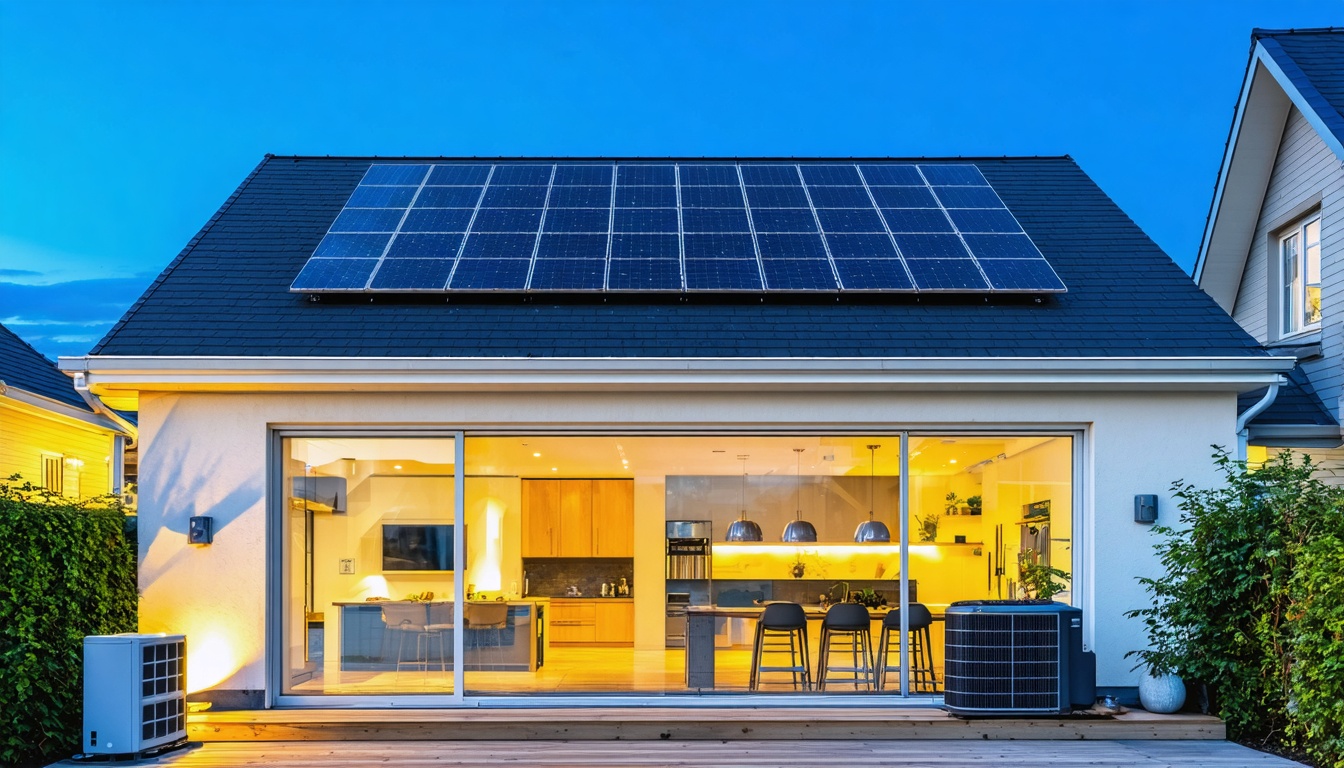
Home Energy Efficiency Improvements That Complement Solar Power
Enhancing Your Home’s Envelope: Air Sealing and Insulation
Upgrading Windows and Doors for Better Energy Retention
Increasing Water Heating and Cooking Efficiency
Integrating Renewable Energy Solutions
Leveraging Federal Incentives for Home Energy Upgrades
Conclusion